
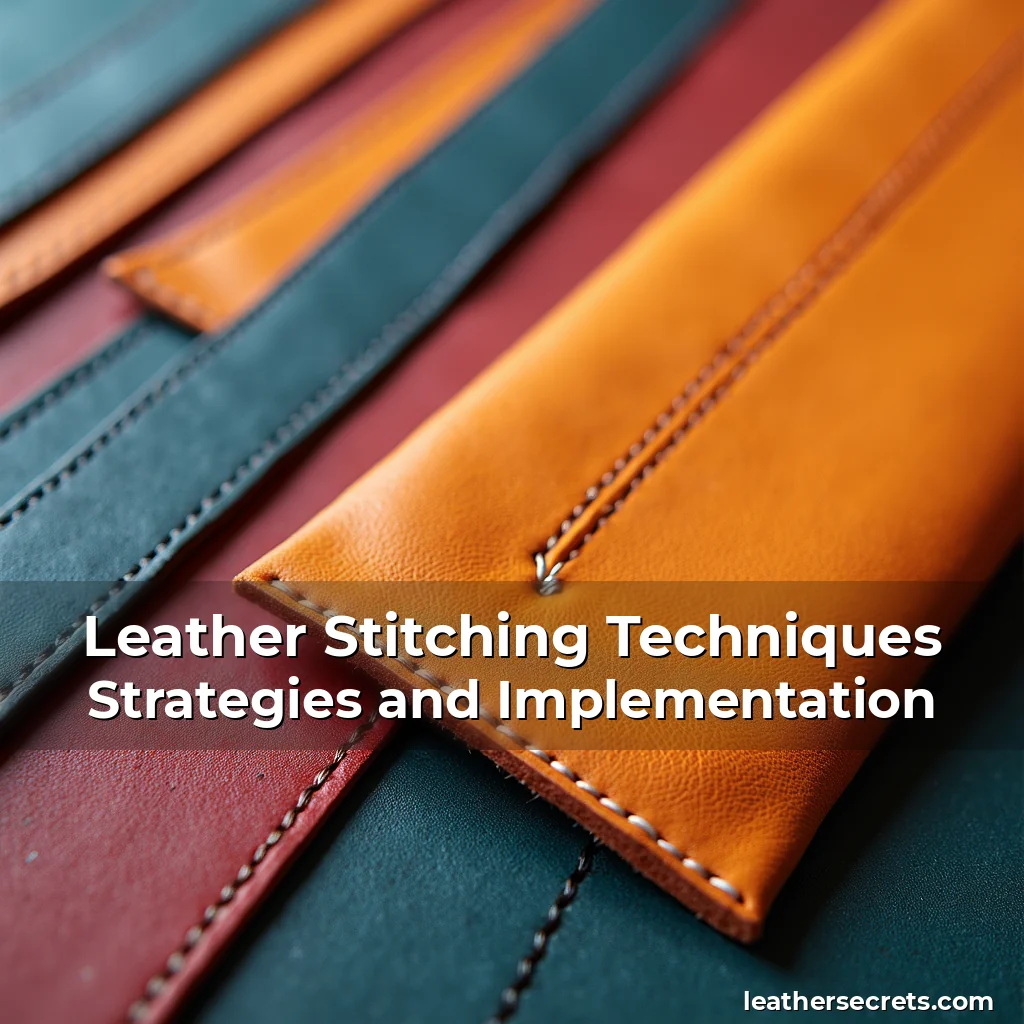
Mastering the Art of Leather Stitching: Essential Techniques Every Craftsman Should Know
Leather stitching is the backbone of quality leatherwork, transforming simple materials into durable, beautiful creations. Whether crafting handbags, boots, or furniture, understanding advanced stitching techniques ensures both functionality and aesthetic appeal.
This guide explores foundational and specialized methods, equipping artisans with skills to elevate their craft. From time-honored traditions to modern innovations, we’ll uncover what makes each technique indispensable.
The Timeless Appeal of Saddle Stitching
Saddle stitching remains a staple in leatherworking due to its unmatched strength and elegance. This method involves two parallel rows of stitching, interlocking at regular intervals to create a robust bond between layers of leather.
The technique’s popularity stems from its ability to withstand stress while maintaining a clean, polished look. It is widely used in high-end luggage, tool belts, and custom saddles where longevity is paramount.
- Tools Required: A heavy-duty sewing needle, waxed polyester thread, and a leather punch are essential for precise holes and smooth threading.
- Thread Selection: Waxed thread offers superior tensile strength and reduces friction during stitching, preventing the leather from tearing.
Proper preparation is critical. Using a hole punch to create evenly spaced perforations ensures consistent tension across the entire project.
Maintaining even pressure while pushing the needle through the leather prevents puckering or uneven seams. Practice on scrap leather before working on finished pieces.
Double Needle Stitching: Strength Meets Precision
Double needle stitching builds upon the foundation of saddle stitching by adding a second row of parallel stitches. This creates a denser seam that distributes force more effectively across the leather surface.
The technique is ideal for high-stress areas such as gussets, corners, and reinforced panels in backpacks or motorcycle gear. Its layered construction also enhances resistance against abrasion and wear.
Industrial Applications and Equipment
In commercial settings, automated double needle machines streamline production while maintaining uniformity. These devices often feature adjustable stitch length and depth controls tailored to various leather thicknesses.
However, manual execution allows greater flexibility for intricate detailing. Skilled craftsmen frequently combine machine-stitched base layers with hand-finished edges for optimal results.
Blind Stitch Technique: Discreet yet Durable
Blind stitching conceals the stitches beneath the surface of the leather, making it perfect for delicate items like book bindings, wallet interiors, and lined garments. Unlike visible stitching methods, it relies entirely on precision and hidden reinforcement.
Specialized needles with rounded tips prevent damage to the leather grain while allowing the thread to pass smoothly along the edge. This technique requires careful alignment of fabric layers and meticulous attention to detail.
- Materials Needed: Fine-gauge polyester or silk thread paired with a sharp, pointed blind stitch needle yields best results.
- Applications: Ideal for attaching linings, reinforcing seams, and securing clasps without compromising aesthetics.
Practice on lightweight mockups before attempting real projects. Consistent spacing between stitches ensures structural integrity without appearing bulky or uneven.
Whipstitch Basics: Versatile and Adaptable
Whipstitching forms a continuous loop around the edge of the material, commonly used for finishing raw edges or joining soft leathers together seamlessly. While less rigid than saddle stitching, it provides adequate support for lighter-weight constructions.
Variations include back-and-forth zigzag patterns or spiral wraps depending on desired texture and coverage area. Experimentation helps determine which approach suits particular projects best.
Beware of excessive tightness causing distortion; maintain gentle pressure while pulling the thread taut enough to hold securely but not constrictively.
Using clear thread or colored marking ink temporarily marks placement guides until permanent stitching begins. This minimizes errors during initial passes.
Creative Decorative Stich Patterns
Decorative stitching adds personality to otherwise functional items. Ornamental motifs range from geometric shapes to elaborate floral patterns that reflect individual style preferences.
Beginners might experiment with basic chain stitch or buttonhole stitch variations before tackling complex designs requiring multiple colors or thread types.
- Common Designs: Celtic knots, diamond lacing, and starburst patterns offer rich visual interest without overwhelming simpler structures.
- Tips: Work slowly at
Consider using contrasting thread shades to highlight intricate workmanship. Always test colorfastness on sample swatches prior to committing full-scale application.
Evolving Trends in Modern Leather Stitching
Contemporary artisans increasingly integrate technology into traditional practices. Laser-cutting aids in achieving perfectly aligned holes for seamless stitching lines, reducing margin for error significantly.
New synthetic fibers now mimic natural thread properties better than ever before, offering improved elasticity alongside classic waxed polyester benefits. Some brands specialize in eco-conscious alternatives made from recycled plastics.
Digital design software enables virtual prototyping of stitch layouts, allowing creators to visualize outcomes accurately before cutting any physical materials.
Collaborations between engineers and master craftspeople continue pushing boundaries, resulting in hybrid approaches blending automation with artisanal touch.
Advanced Troubleshooting and Maintenance Practices
To prolong tool life, regularly clean needles after each session and store them upright to avoid bending. Replace dull blades promptly to maintain accurate piercing capabilities.
If encountering skipped stitches or inconsistent tension, check for damaged thread spools or improperly seated needles in handheld tools. Adjust bobbin settings on motorized units accordingly.
Moisture buildup inside sewing machines can cause jamming issues. Wipe internal components dry post-use and apply manufacturer-recommended lubricants periodically.
Keep spare parts inventory ready for quick replacements. Many vintage models still require specific replacement components unavailable elsewhere today.
Conclusion
From fundamental saddle stitching to avant-garde decorative patterns, mastering diverse leather stitching techniques empowers creators to produce exceptional works across many disciplines.
Experiment freely with available resources while respecting foundational principles. Share your journey within the LeatherSecrets community to inspire fellow enthusiasts and discover new ideas collaboratively.